Research
Current research in the Videvall Lab — Uppsala University
Wildlife microbiomes, evolution and conservation
We investigate how animal microbiomes are shaped by diet, environment, host genetics and interactions with other organisms.
RESEARCH AREAS
Our research spans diverse animal systems
Diet-microbiome associations in the Scandinavian wolverine (Charlotte)
Longitudinal wolverine microbiomes (Akanksha and Charlotte)
Impacts of feralization on the horse microbiome (Madeleine)
Effects of captivity on the European bison gut microbiome (Nils and Madeleine)
Microbiome, diet, and metabolism in hybrid flycatchers (Ester and Qianrui)
Flycatcher cross-fostering experiment (Ester)
The effect of gut microbiomes on cognition in birds (Ester and Ana)
Sand lizard cloacal and fecal microbiomes (Charlotte and Alina)
Role of temperature and diet on toad tadpole gut microbiomes (Gabriel)
Genome-microbiome interactions in Hawaiian feral chickens (Matias)
Temporal hologenomics of historical gut microbiomes pilot project (Elin)
Microbiota and AMR transmission in chironomids (Pilar)
Seasonal changes in the gut microbiota of the Przewalski horse (Gersende)
Social transmission of microbiomes in bank voles (David)
Early-life gut microbiomes associated with growth and health in reindeer calves (upcoming project)

Feral horses in northern Spain, photo by Elin Videvall
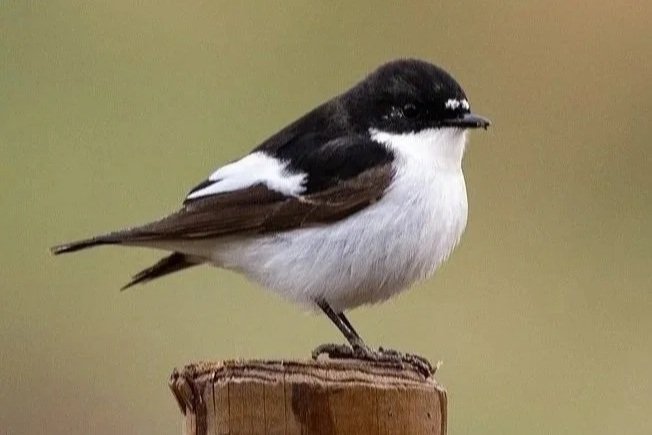
Pied flycatcher, photo by Hans Ollonen

Chironomid larva, photo by Frank Fox

European bison, photo by Charles J. Sharp

-
We investigate how diet, time, and geography shape gut microbial communities in wild wolverines
Projects:
Spatio-temporal variation in gut microbiota of wild Swedish wolverines (led by Charlotte)
Longitudinal (led by Akanksha and Charlotte)
Differences in gut microbiomes between captive and wild wolverines
Evaluation of a preservation method to store fecal samples at room temperature

Reindeer, photo by Ingebjørg Nymo

Sand lizard, photo by George Chernilevsky

Feral chicken, photo by Richard N Horne
Current research collaborators
Dr. Mette Lillie, Uppsala University
Prof. Anna Qvarnström, Uppsala University
Dr. Carl-Gustaf Thulin, SLU, Uppsala
Dr. Germán Orizaola, University of Oviedo
Prof. Dominic Wright, Linköping University
Dr. Bruno Carreira, University of Lisbon
Dr. Jamie Muriel, University of Córdoba
Prof. Frank Johansson, Uppsala University
Dr. Richard Svanbäck, Uppsala University
Dr. David Canal, National Museum of Natural Sciences, Madrid
Dr. Robert Ekblom, Swedish Environmental Protection Agency
Dr. Göran Spong, SLU, Umeå
Dr. Josué Martínez-de la Puente, Doñana Biological Station
Prof. Anna Skarin, SLU, Uppsala
Dr. Peter Halvarsson, SLU, Uppsala
Elin’s postdoctoral research — Brown University

Giraffe cross-species diet-microbiome associations (Videvall et al. 2025 Glob. Ecol. Conserv.)
Diet and microbiota changes in giraffes in response to human barriers
Diet-microbiome associations in Ugandan giraffes
PacBio shotgun metagenomics of giraffe microbiomes
Phylosymbiosis of mammalian microbiomes
Elin’s postdoctoral research — Smithsonian

Image by Douglas Pratt
Avian malaria genomics - current and historical spread of Plasmodium relictum throughout the Hawaiian islands (delayed due to Covid-19)
Genomics of Hawaiʻi ‘amakihi through time (historical DNA from museum samples) (delayed due to Covid-19)
Microbiomes of Hawaiʻi ‘amakihi with malaria infection (advisory role - Navine et al. 2022 Mol Ecol)
Microbiome phylosymbiosis and diet of Hawaiian honeycreepers (advisory role - Costantini et al. Ecol Ecol)
Transcriptomics of the Hawaiian strain of Plasmodium relictum (Videvall et al. 2021 Ecol & Evol)
Transcriptomics of Hawaiʻi ‘amakihi during malaria infection (collaboration - Paxton et al. 2023 J Hered)
Transcriptomics of Culex mosquitoes to Plasmodium infection (collaboration - Ferreira et al. 2022 Malaria J).
Istmobiome - Host-microbe associations using natural experiments in marine environments (Leray et al. 2021 PLOS Biol)
Elin’s PhD research — Lund University

Evolutionary genomics of host-microbe interactions
Elin’s PhD thesis included multiple projects in two areas:
Genomic interactions between malaria parasites and avian hosts
The gut microbiome's influence on avian fitness and survival
Genomic interactions between malaria parasites and avian hosts

We used dual RNA-sequencing of birds infected with malaria parasites. Because we sequenced the blood, this allowed us to analyse not only the transcriptome of the host, but also the transcriptome of the parasite simultaneously. Resulting in an opportunity to evaluate real-time interactions between hosts and parasites.
Publications in this project:
Videvall et al. (2015) The Avian Transcriptome Response to Malaria Infection. Molecular Biology and Evolution.
Bensch et al. (2016) The genome of Haemoproteus tartakovskyi and its relationship to human malaria parasites. Genome Biology and Evolution.
Videvall et al. (2017) The transcriptome of the avian malaria parasite Plasmodium ashfordi displays host-specific gene expression. Molecular Ecology.
Hellgren et al. (2017) De novo synthesis of thiamine (vitamin B1) is the ancestral state in Plasmodium parasites - evidence from avian haemosporidians. Parasitology.
Videvall. (2018) Plasmodium parasites of birds have the most AT-rich genes of eukaryotes. Microbial Genomics.
Videvall et al. (2020) Host transcriptional responses to high- and low-virulent avian malaria parasites. The American Naturalist.


The gut microbiome's influence on avian fitness and survival
Ostrich chicks can experience dramatic mortality rates due to disease. The development of a healthy gut microbiome seems to be a crucial step in the first three months of an ostrich's life.
We used 16S rRNA Illumina sequencing to characterize the gut microbiome maturation over time and associate its various features with growth and survival.
Publications in this project:
Videvall et al. (2017) Direct PCR offers a fast and reliable alternative to conventional DNA isolation methods for gut microbiomes. mSystems.
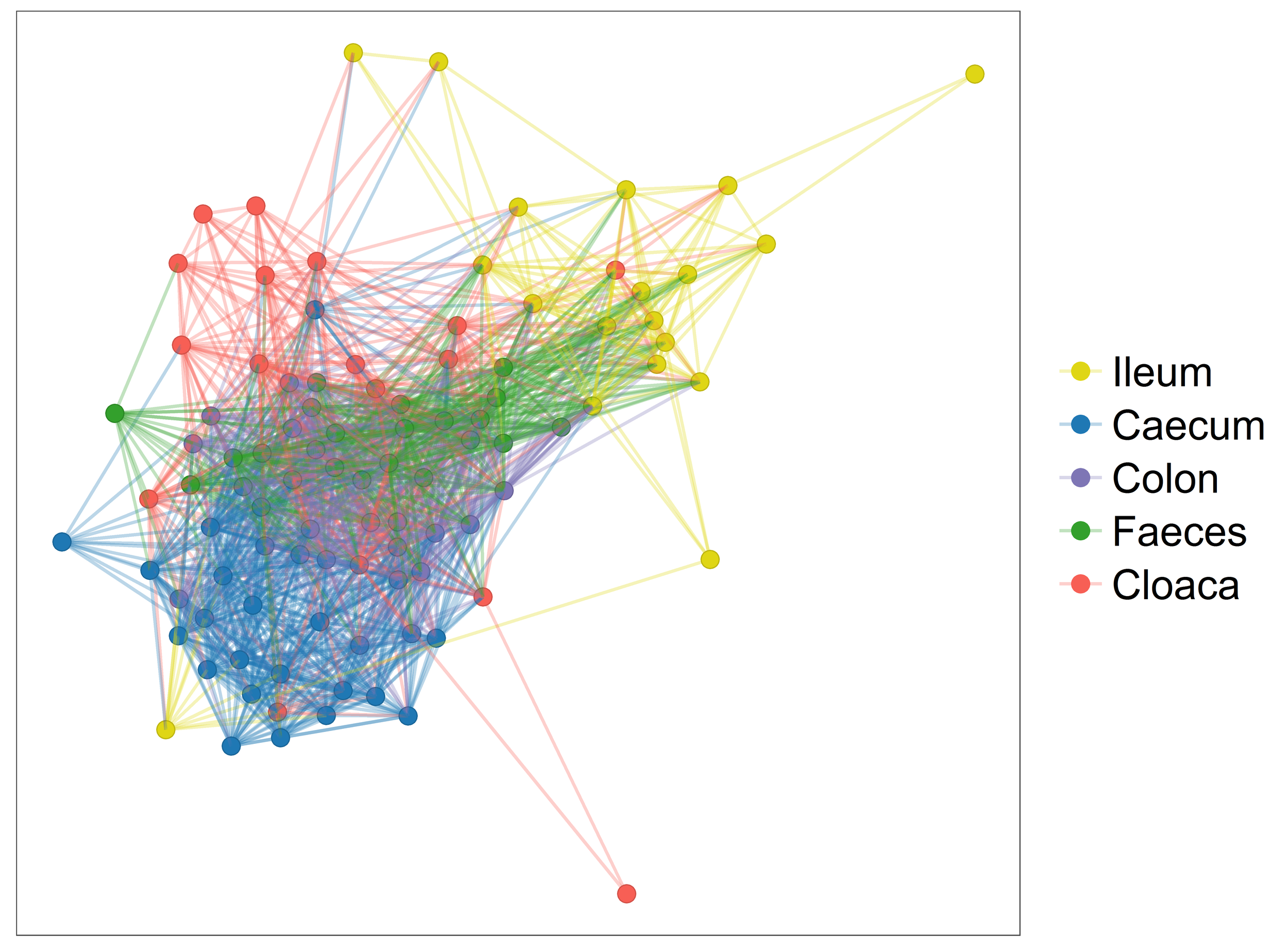
Videvall et al. (2017) Measuring the gut microbiome in birds: comparison of faecal and cloacal sampling. Molecular Ecology Resources.
Videvall et al. (2019) The colonization of gut microbiota during development and its association with growth in ostriches. Molecular Ecology.
Videvall et al. (2020) Early-life gut dysbiosis linked to mass mortality in ostriches. Microbiome.
Videvall et al. (2023) Coprophagy rapidly matures juvenile gut microbiota in a precocial bird. Evolution Letters.


Quisque iaculis facilisis lacinia. Mauris euismod pellentesque tellus sit amet mollis.